
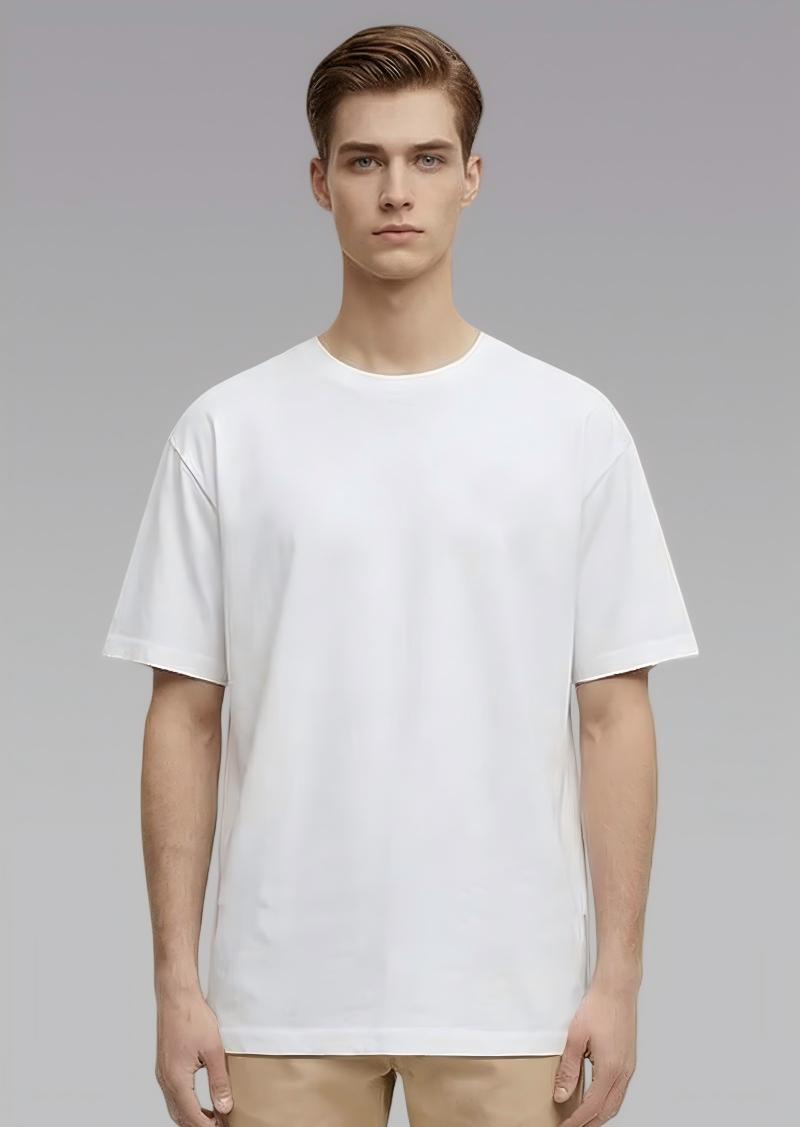
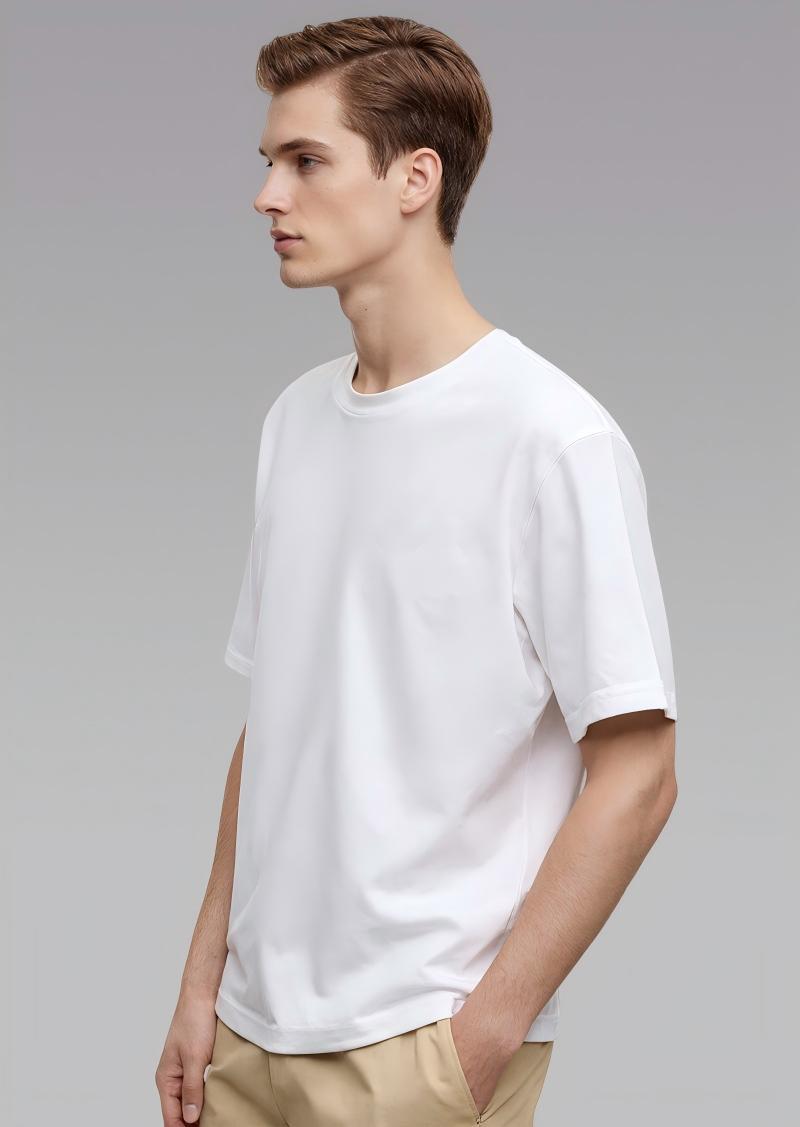
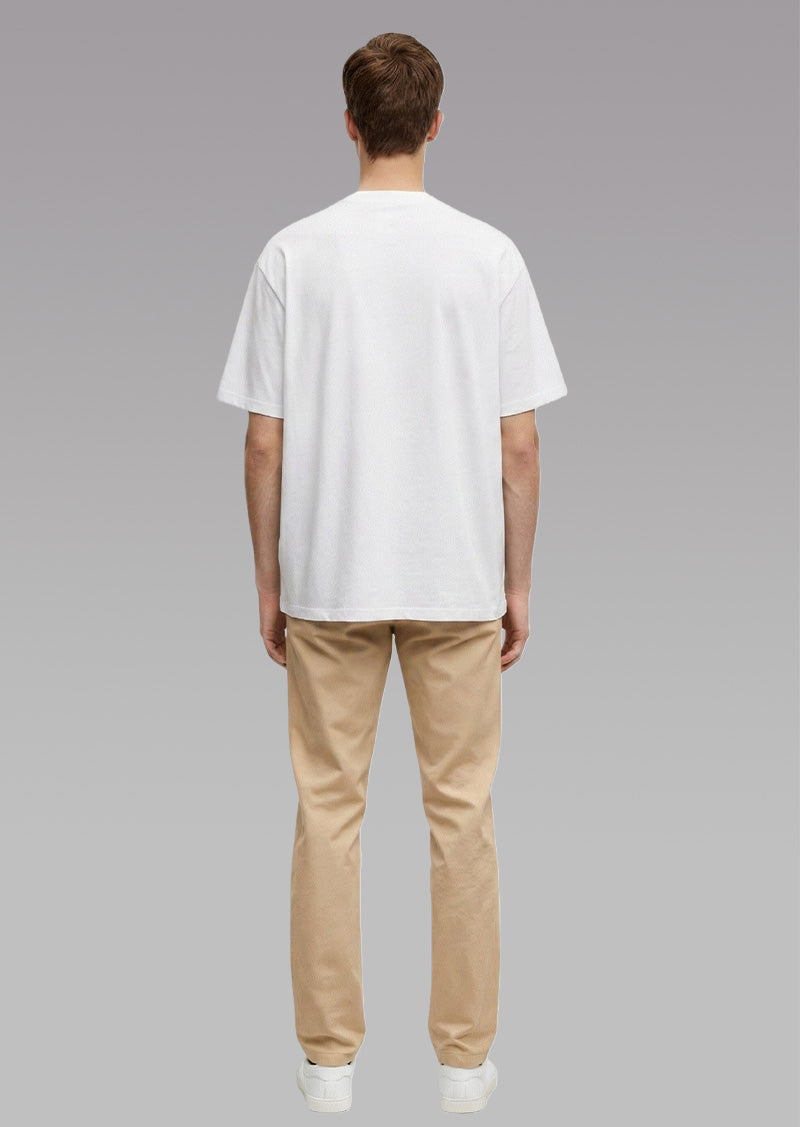
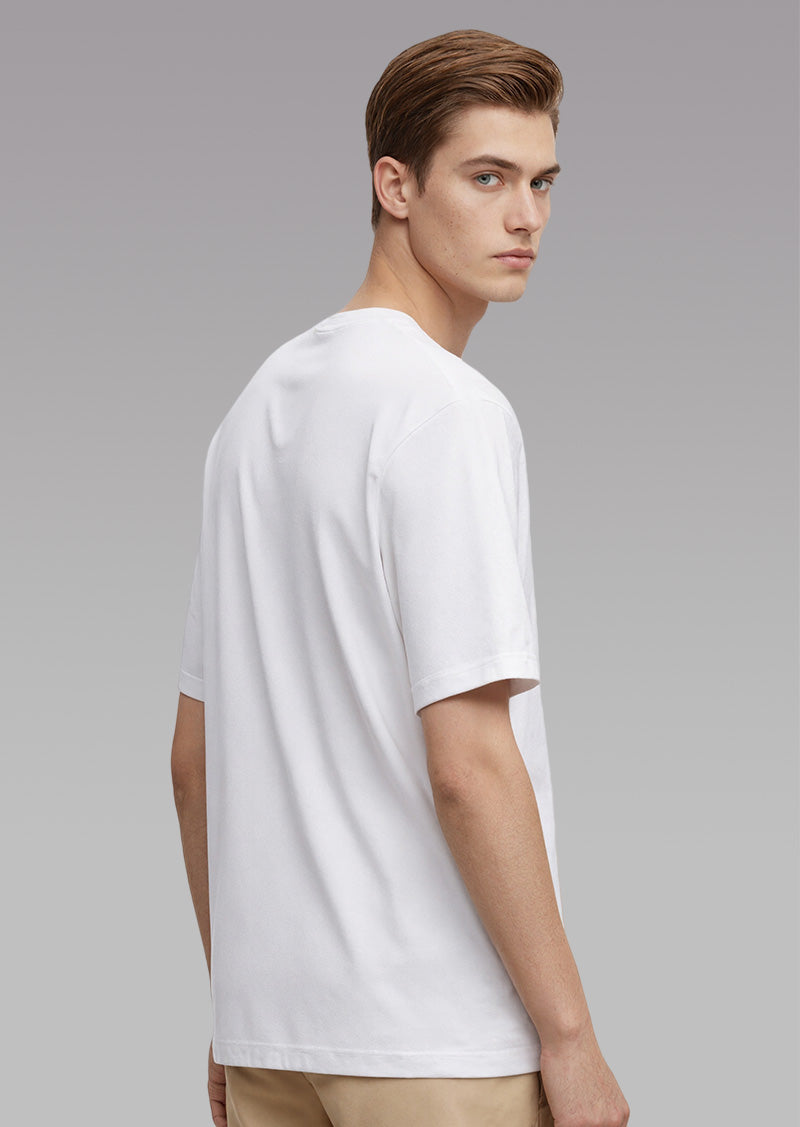
Custom Art T-Shirts for Museums, Galleries and Cultural Retail
Minimum order: 20 pieces per artwork and garment color.
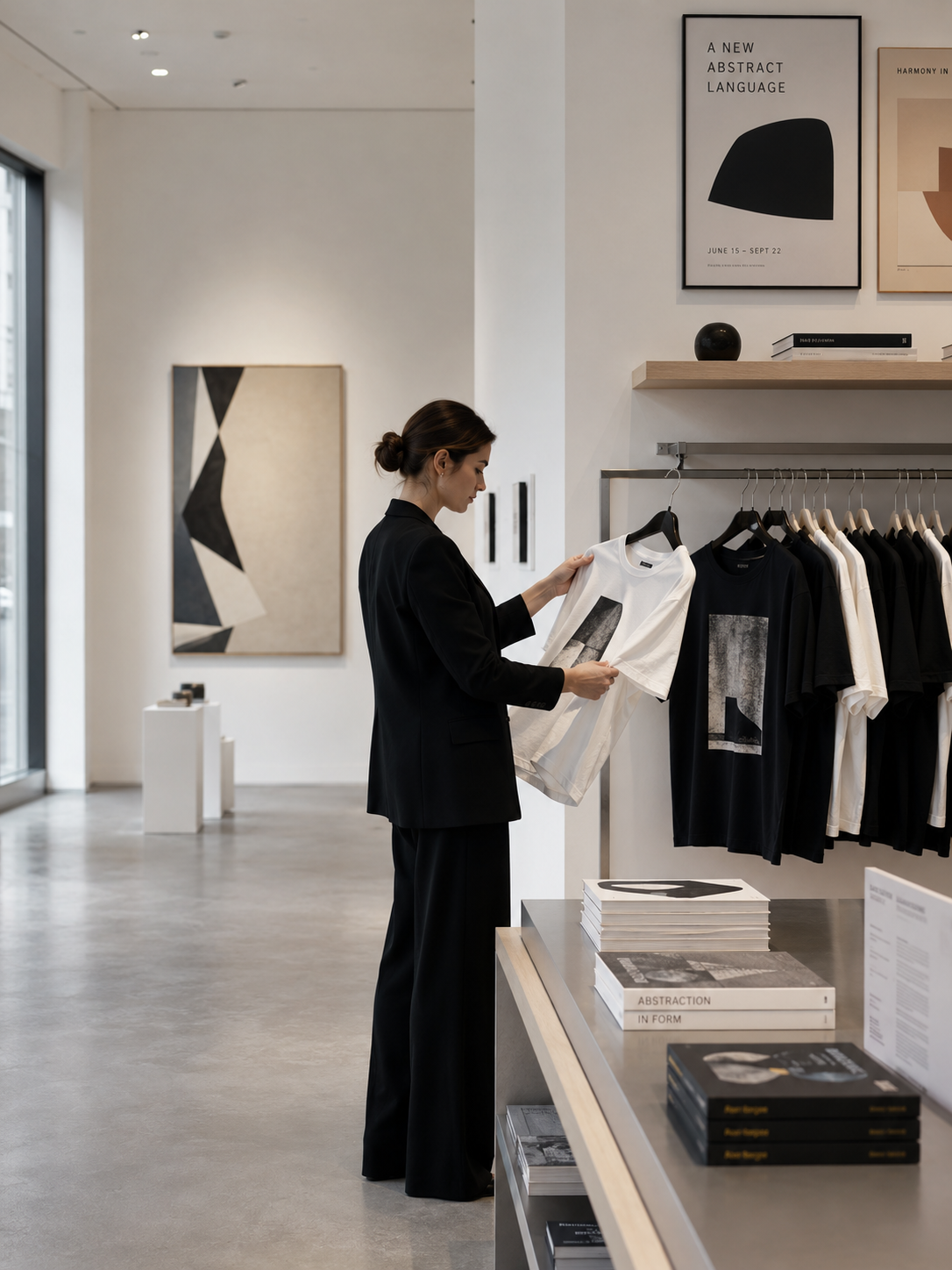
Your Art Deserves More Than a Promotional T-Shirt
A museum T-shirt should still feel connected to the artwork after it leaves the exhibition.
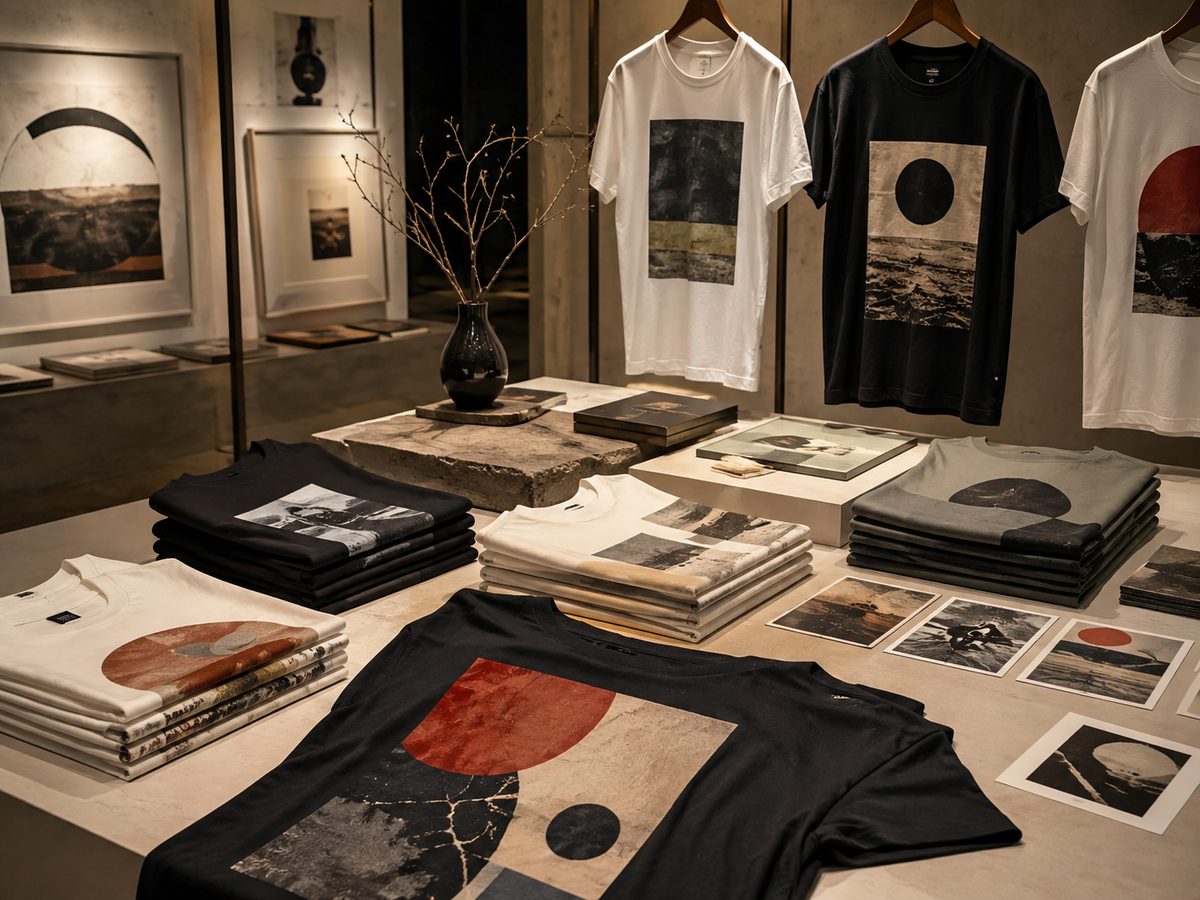
We produce custom art T-shirts for museums, galleries, bookstores, artist collaborations and cultural retailers—with careful artwork reproduction, retail-quality garments and production quantities that make sense for exhibition-based merchandising.
From paintings and photography to archive posters, illustrations and exhibition graphics, the goal is simple:
keep the character of the artwork while turning it into something people genuinely want to wear.
- Artwork-first production
- Retail-quality garments
- Flexible exhibition runs
ARTWORK REPRODUCTION
See What the Artwork Keeps
Complex artwork is not just about printing more colors.
Fine lines, subtle gradients, shadow detail, photographic tones and small visual textures all affect how the finished T-shirt feels.
We review the artwork before production and prepare it for the selected garment color and print method so important visual details are not simply lost in translation.
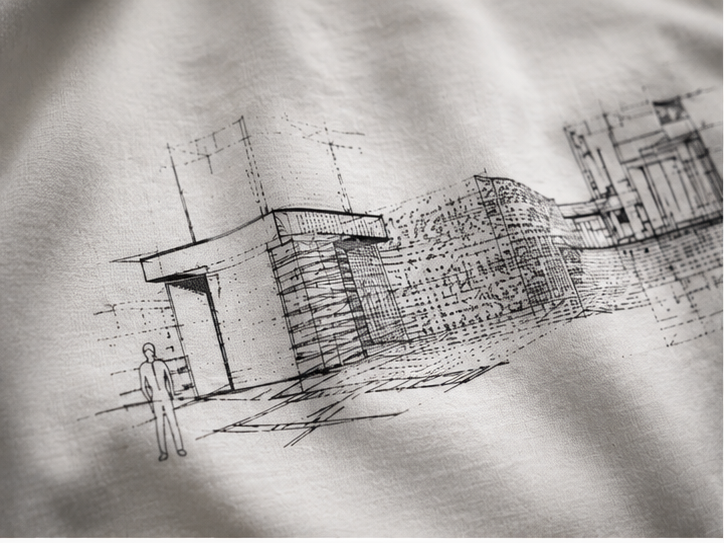
Fine Lines
Keep illustrations crisp.
Fine linework, type and small graphic details should remain readable rather than closing up into heavy ink areas.
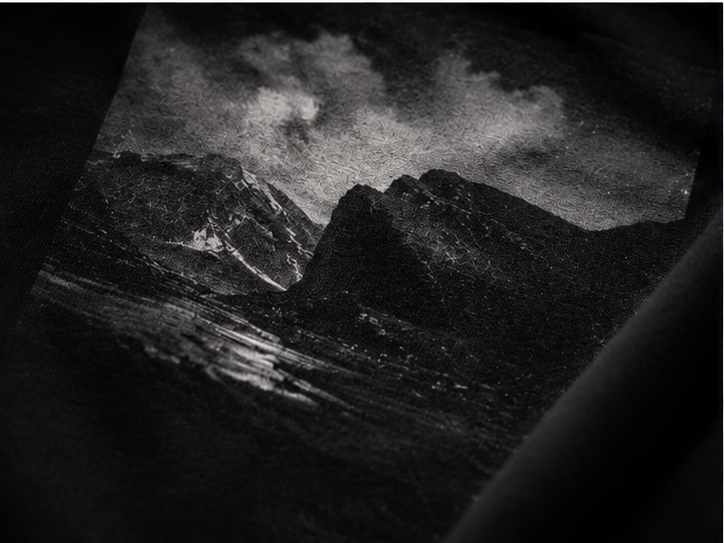
Dark Detail
Don't turn shadows into flat black.
For darker photography or paintings, shadow information matters—especially when printing on a black garment.
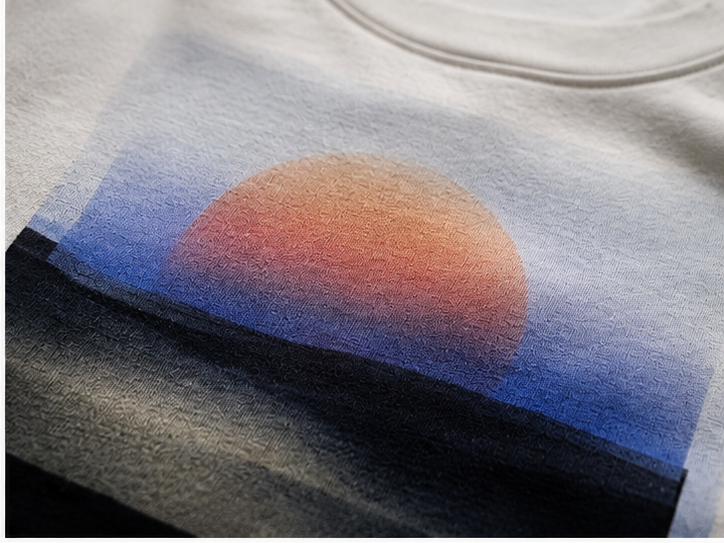
Gradients
Keep transitions smooth.
Soft gradients and tonal artwork need controlled reproduction so the image does not become visibly banded or harsh.
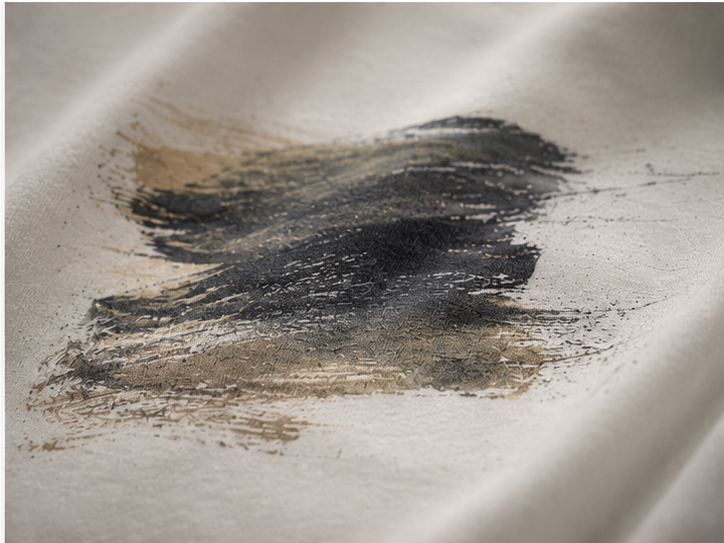
Texture
Preserve the character of the original image.
Brush-like textures, grain, paper effects and photographic detail are part of what makes artwork recognizable.
THE GARMENT MATTERS TOO
Museum-Quality Art Needs a T-Shirt Worth Wearing
A strong artwork cannot rescue a weak garment.
For cultural retail, fabric weight, neckline structure, opacity, drape and the way the print sits on the cotton all influence whether the finished product feels like a piece of merchandise—or simply an event giveaway.
For this program, we recommend a substantial heavyweight cotton body when the goal is a more premium museum-shop feel.
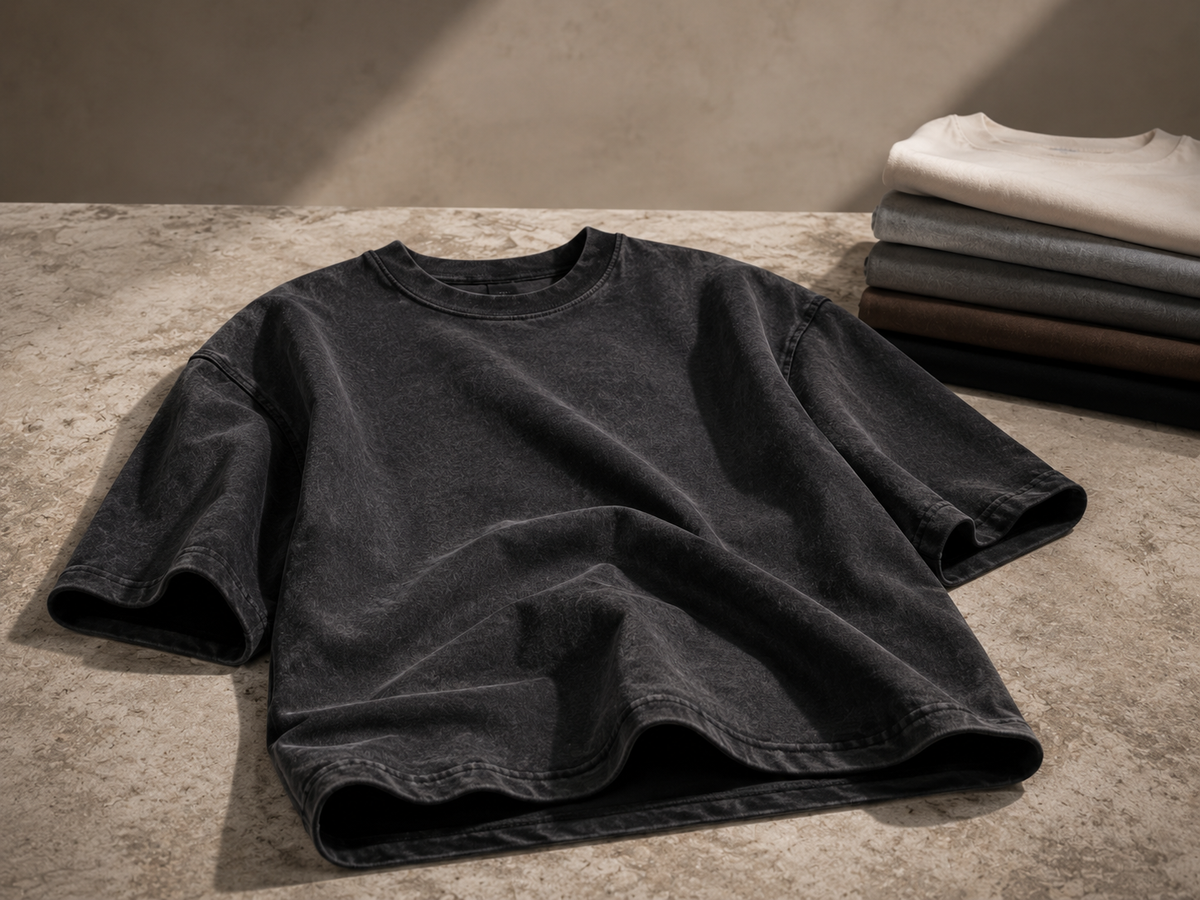
260gsm Heavyweight Cotton
Built for retail
- Denser jersey structure
- More substantial hand feel
- Cleaner body shape
- Better opacity
- Premium drape
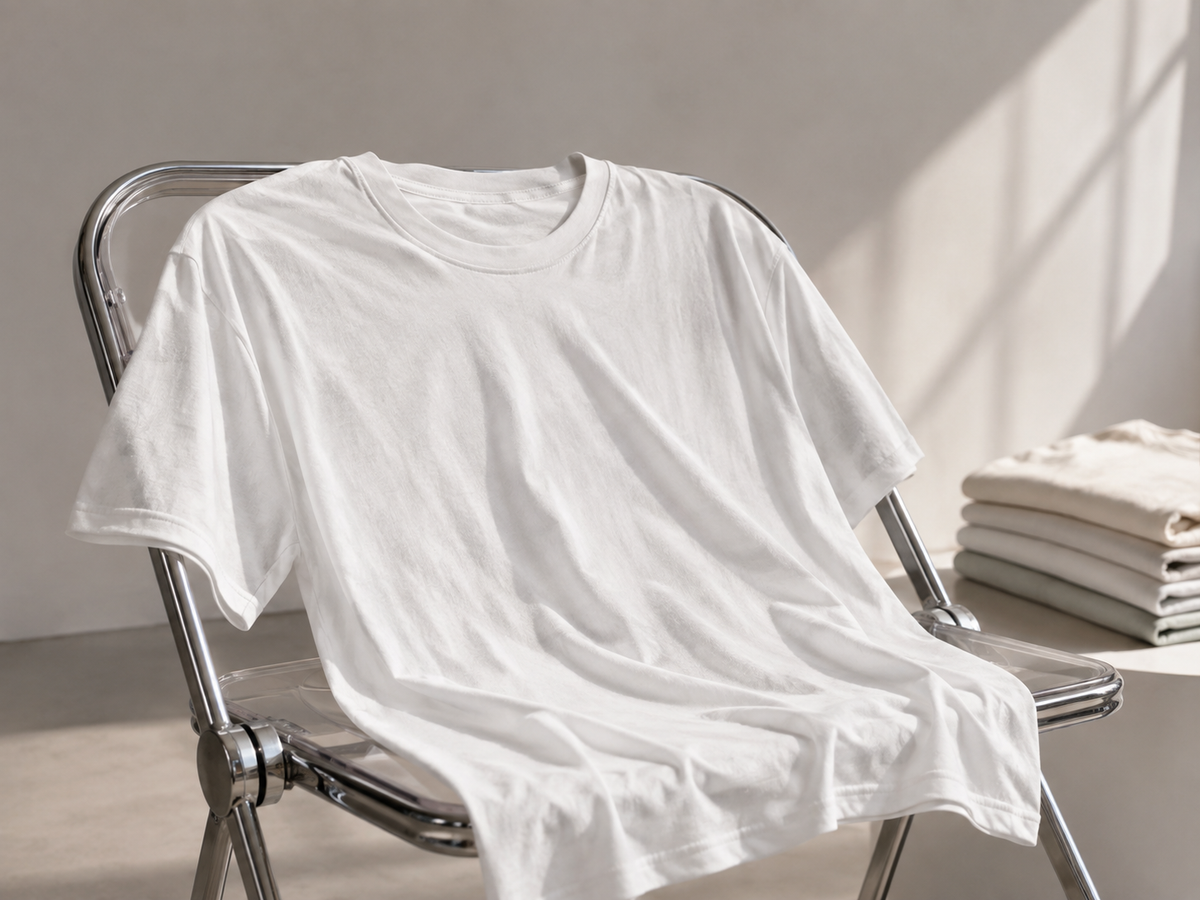
60–180gsm Promotional Tee
Built primarily for lighter everyday use
- Thinner jersey
- Softer, lighter structure
- More visible body contour
- Less substantial retail presentation
Match the Production Method to the Artwork
Not every artwork should be produced the same way.
The right method depends on the number of colors, tonal complexity, quantity, garment color and the visual character you want to preserve.
Paintings, Photography & Complex Illustration
Digital garment printing allows complex artwork to be produced without separating every color into an individual screen.
Full-Color DTG
Best suited to artwork containing:
- many colors
- gradients
- photographic tones
- detailed illustrations
- small test quantities
Bold Graphics & Limited Colors
For qualifying runs, screen printing can offer a different hand feel and strong repeat efficiency.
Screen Printing
Useful when artwork has:
- solid color areas
- simplified graphics
- typography
- larger repeat quantities
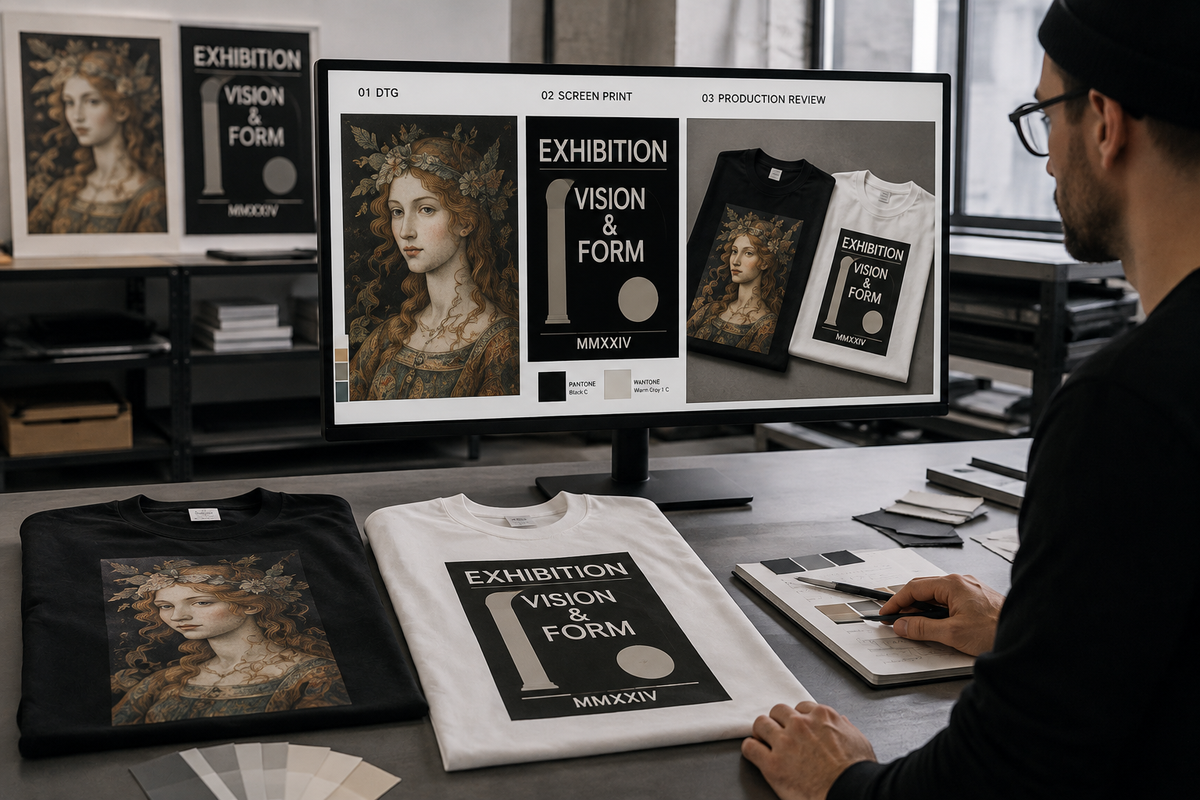
Not Sure?
We evaluate the file, garment color, print area and order quantity before recommending production settings.
Let the artwork decide.
Upload the artwork first.
FROM FILE TO FINISHED PRODUCT
Approve the Art Before You Commit to the Run
Museum merchandise often carries more visual responsibility than ordinary promotional apparel.
That is why the artwork should be reviewed before the production run—not after hundreds of pieces have already been made.
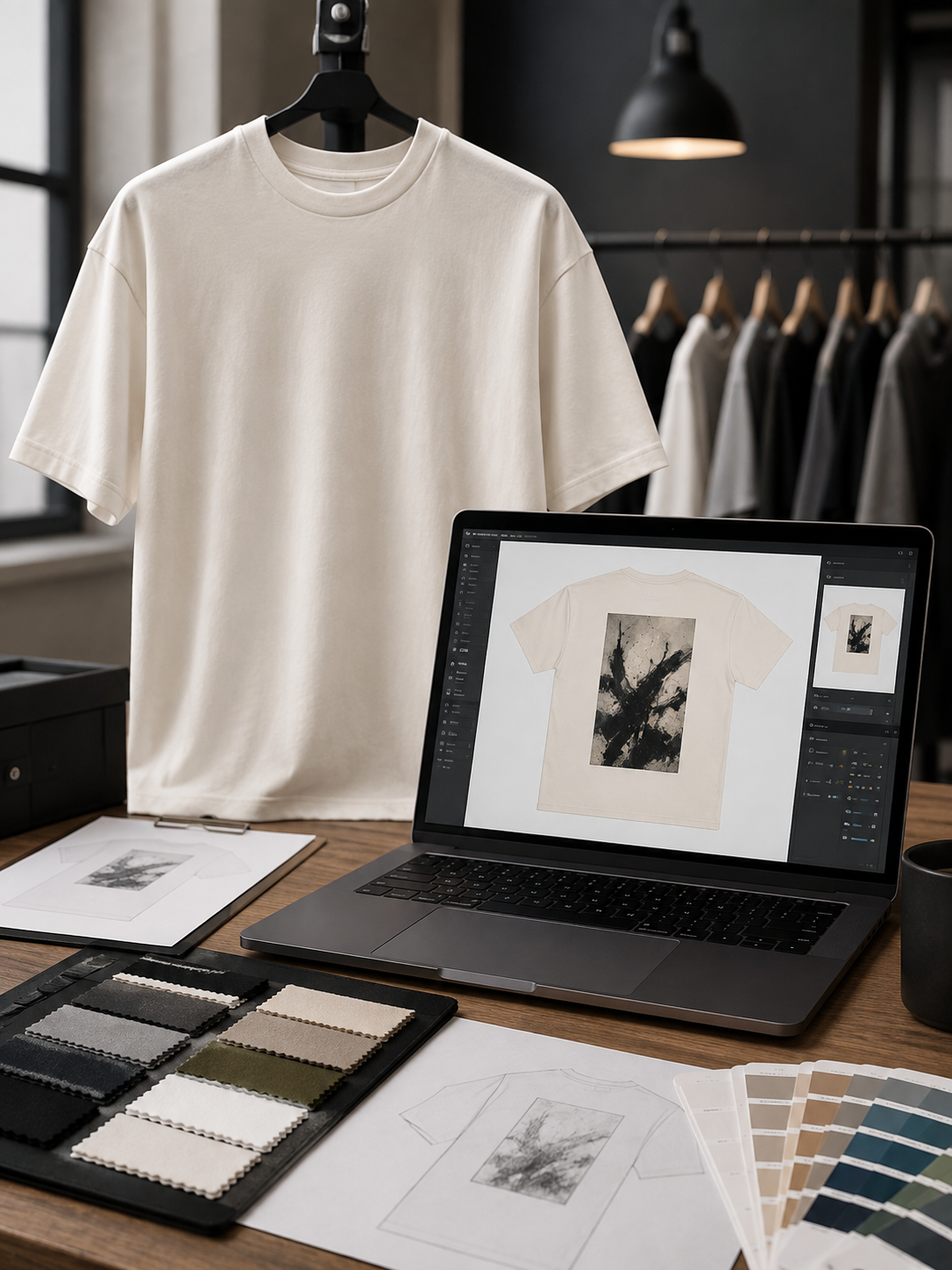
Upload the Artwork
Send the final artwork together with your selected garment color and print position.
2
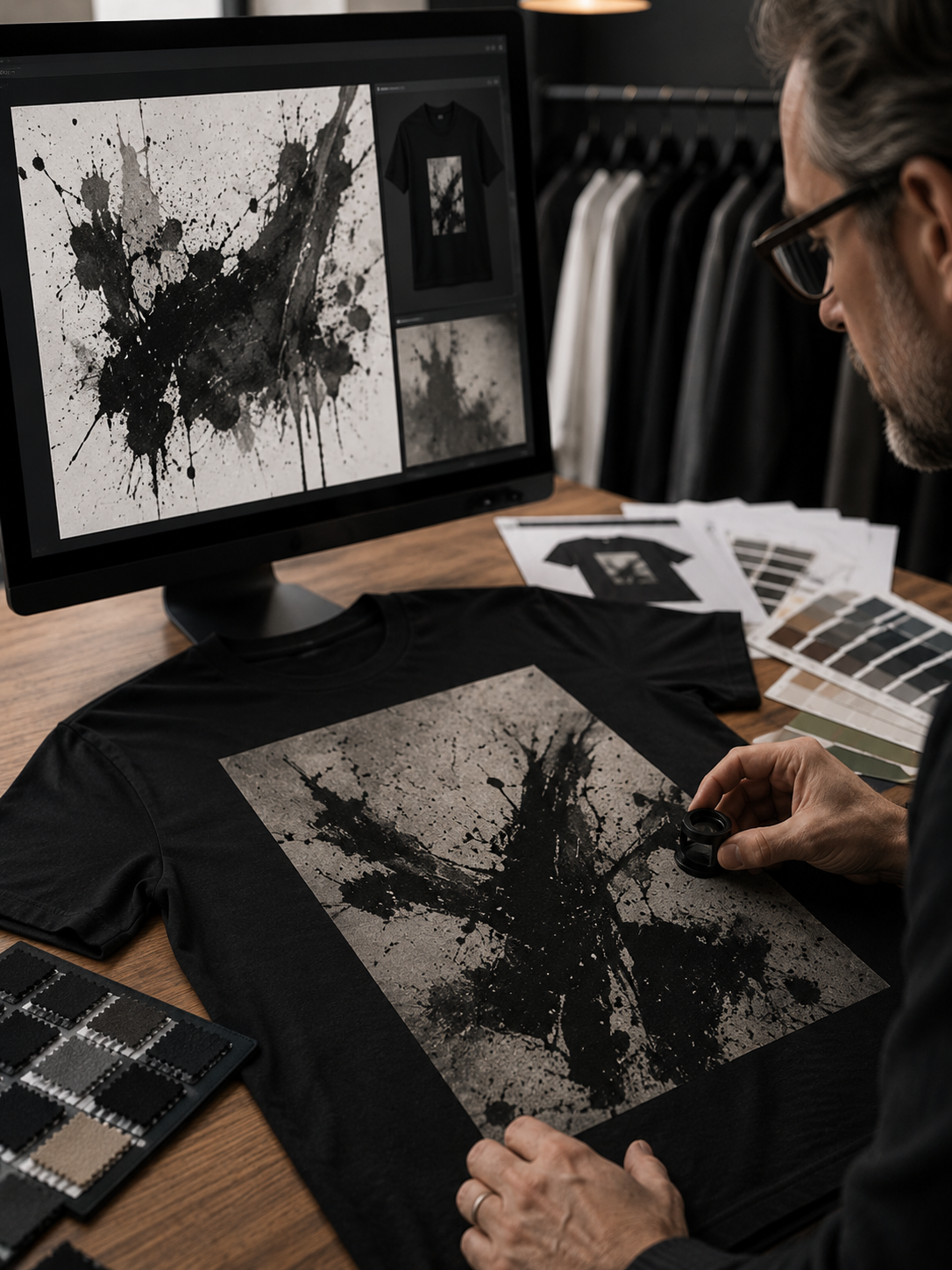
Artwork Review
We check:
- resolution
- print dimensions
- fine details
- transparency
- garment-color interaction
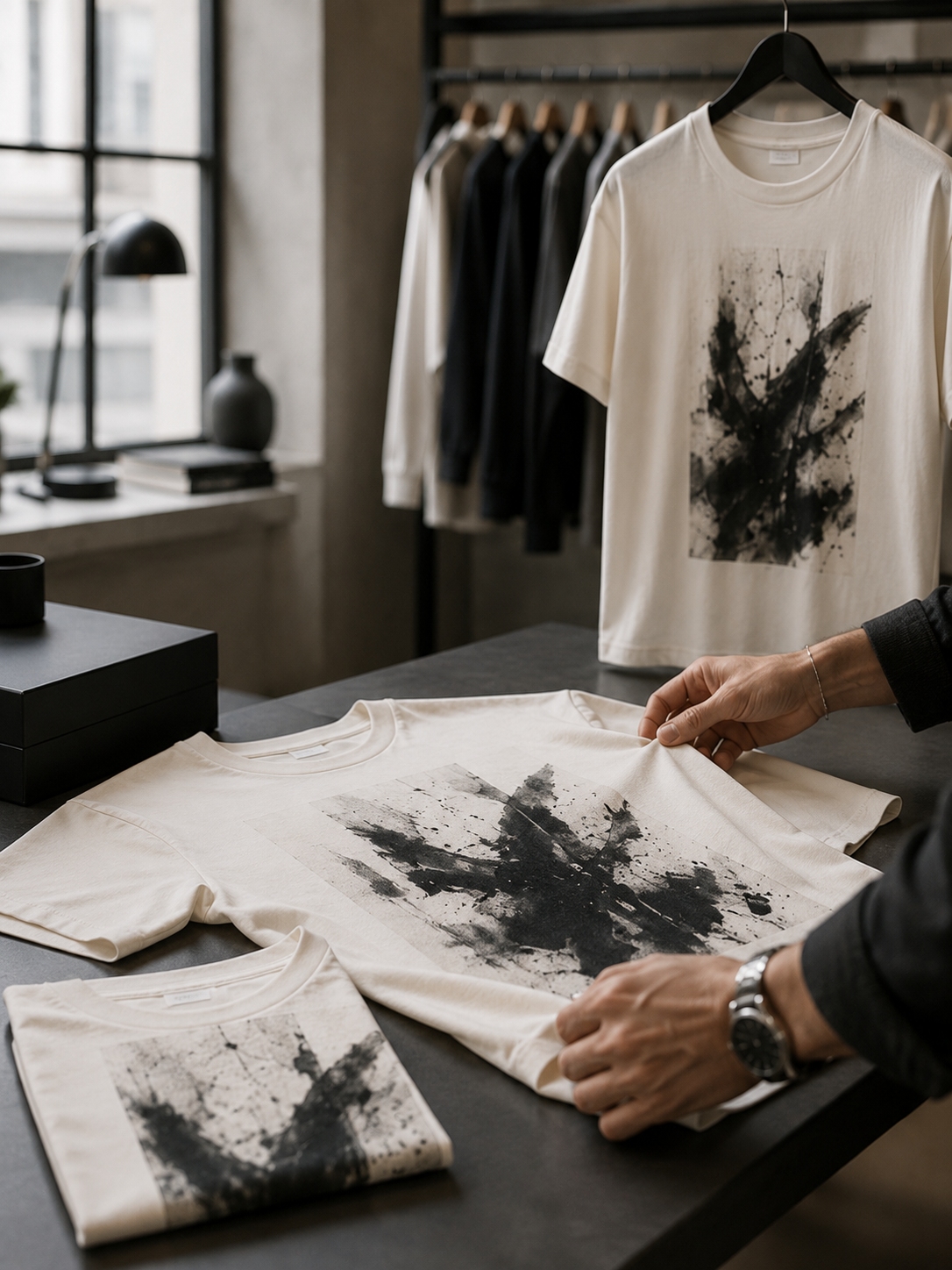
Print / Sample Review
For projects requiring physical approval, confirm the appearance on the actual garment before moving into the main production run.
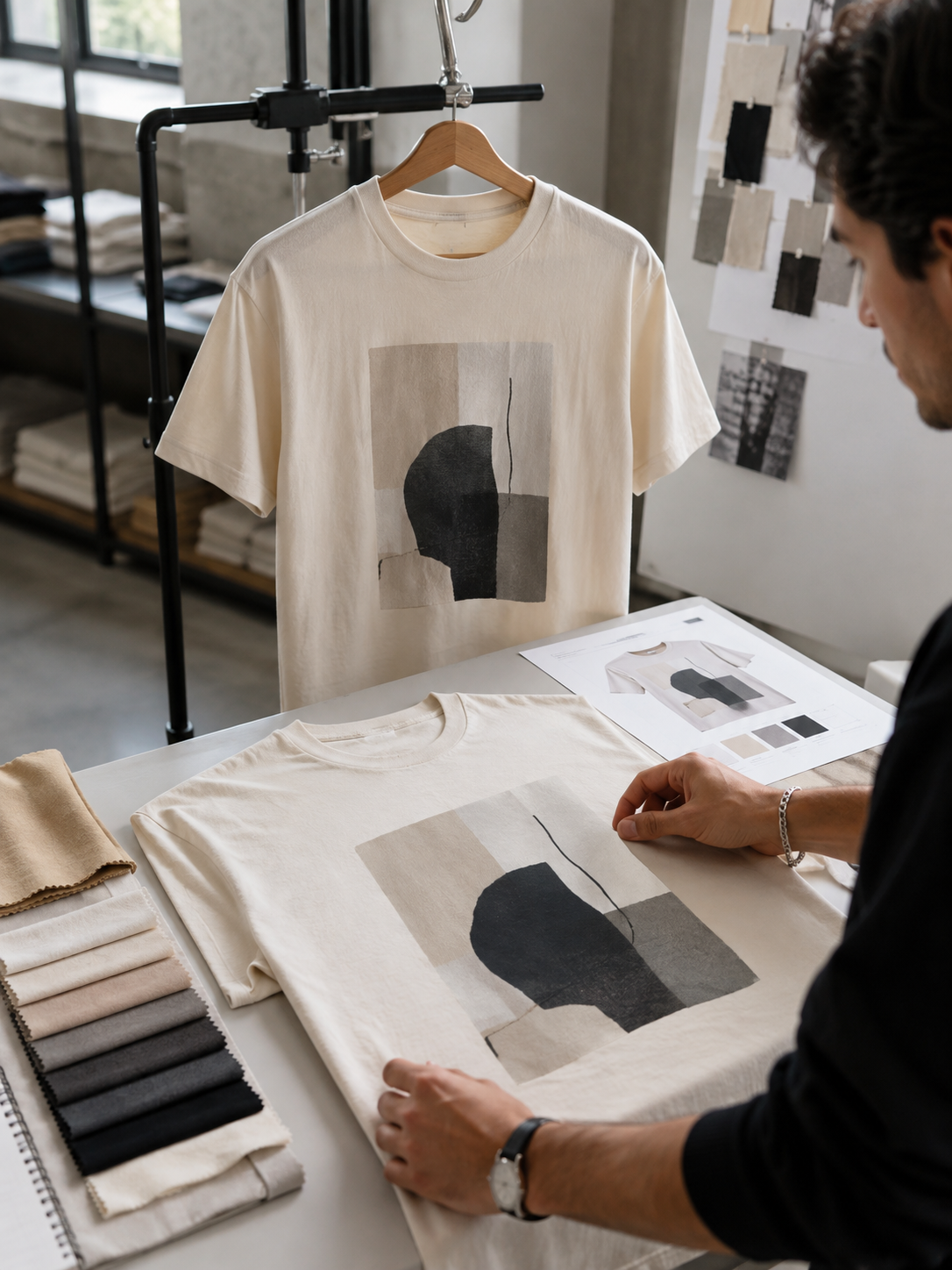
Approve the Reference
Once approved, the artwork version, size, position and garment combination become the production reference.
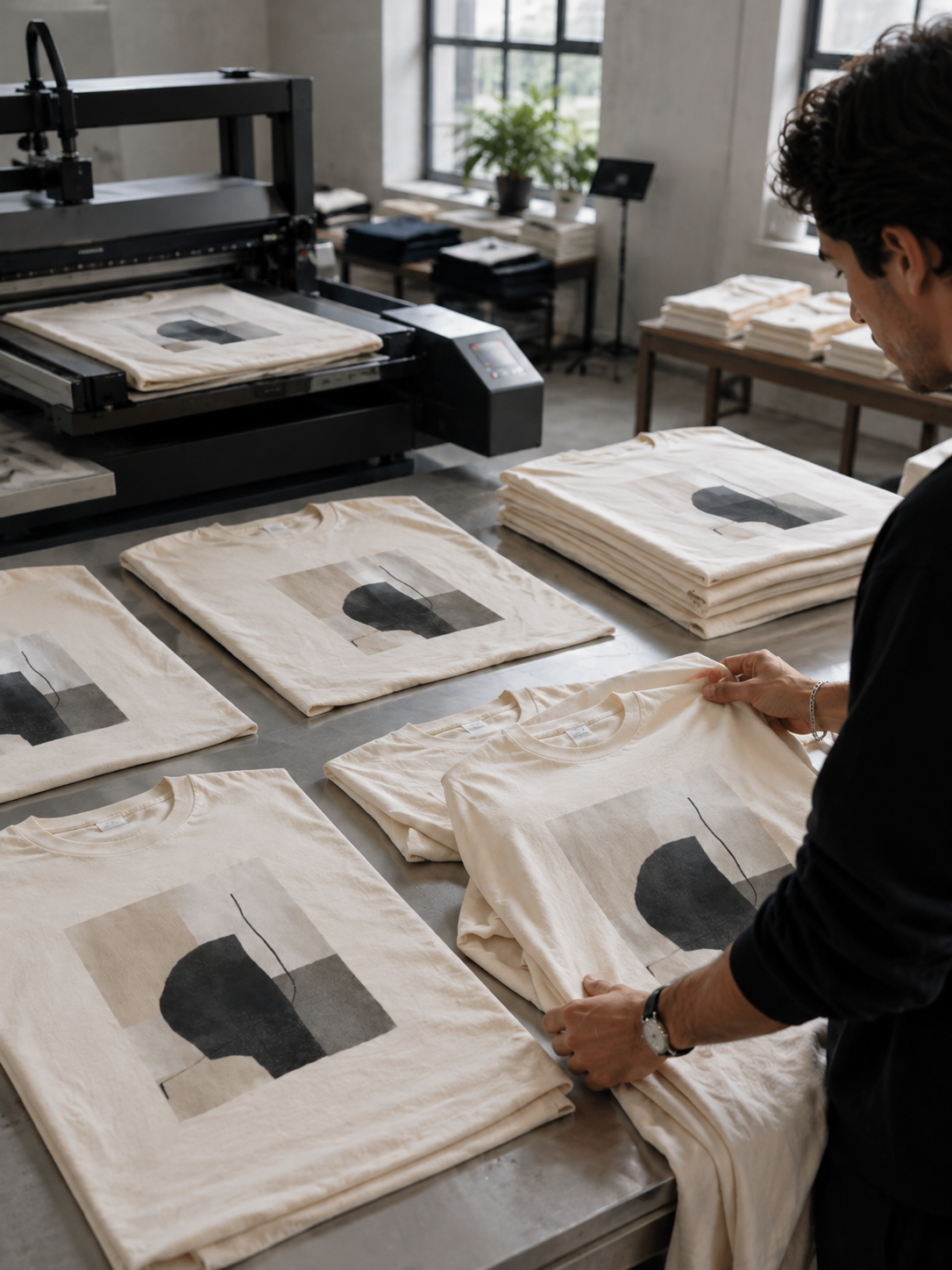
Production
Produce the approved quantity and size mix.
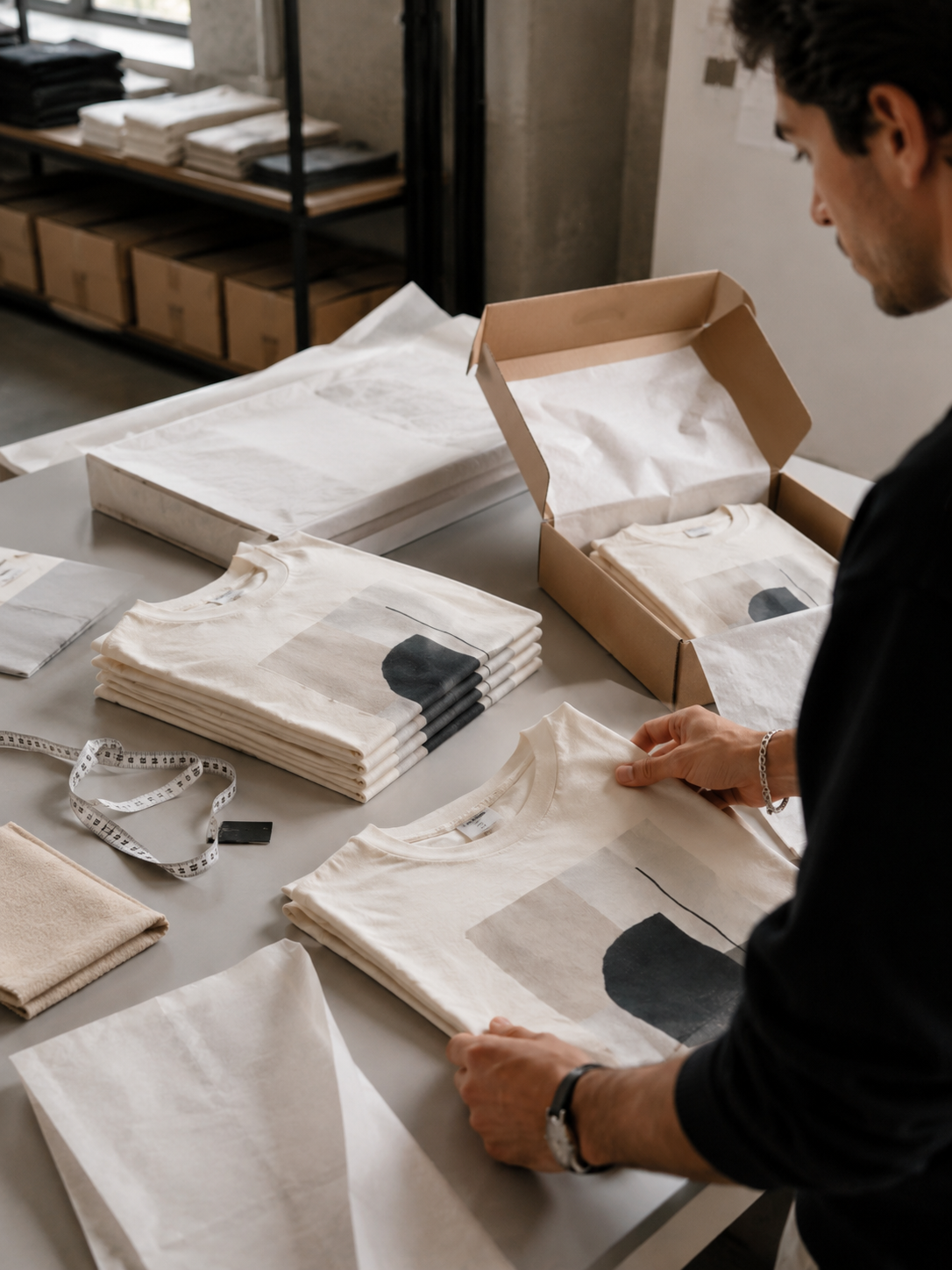
QC & Packing
Inspect the finished merchandise before shipment or future replenishment.
MULTI-ARTWORK PRODUCTION
One Exhibition. Multiple Artworks. Less Inventory Risk.
A cultural retail project rarely revolves around one graphic.
An exhibition may include a hero artwork, artist portrait, archive image, typography treatment and several collection highlights.
Instead of forcing every artwork into one oversized production commitment, build the assortment design by design.
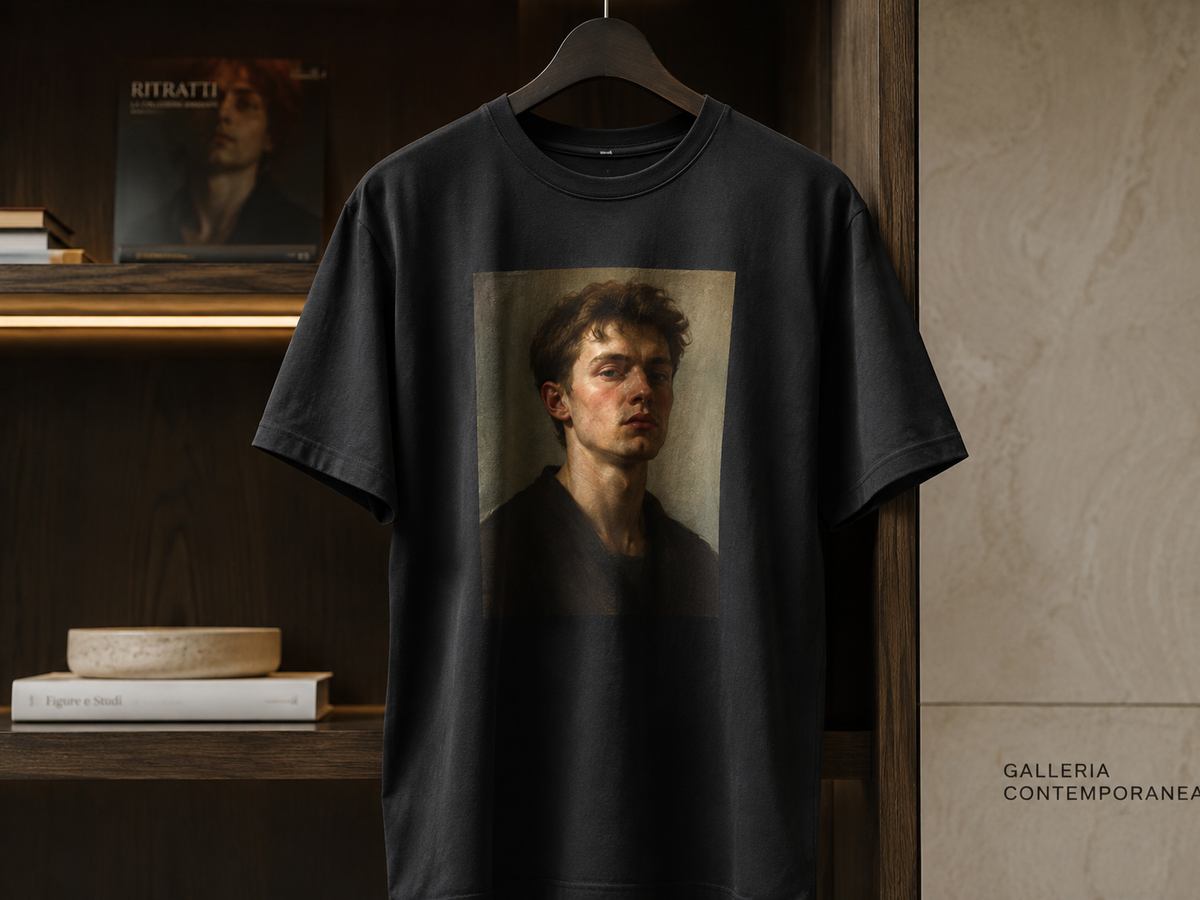
Portrait
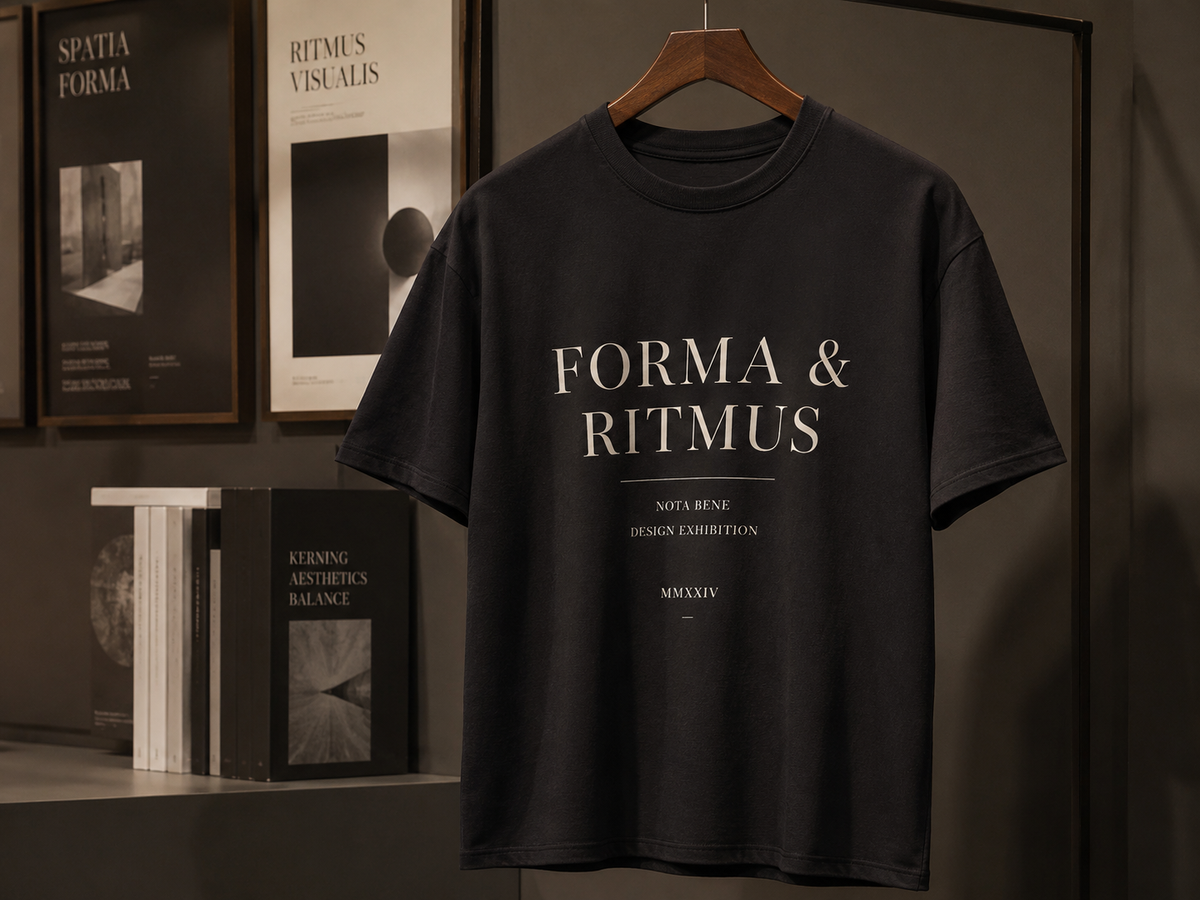
Typography
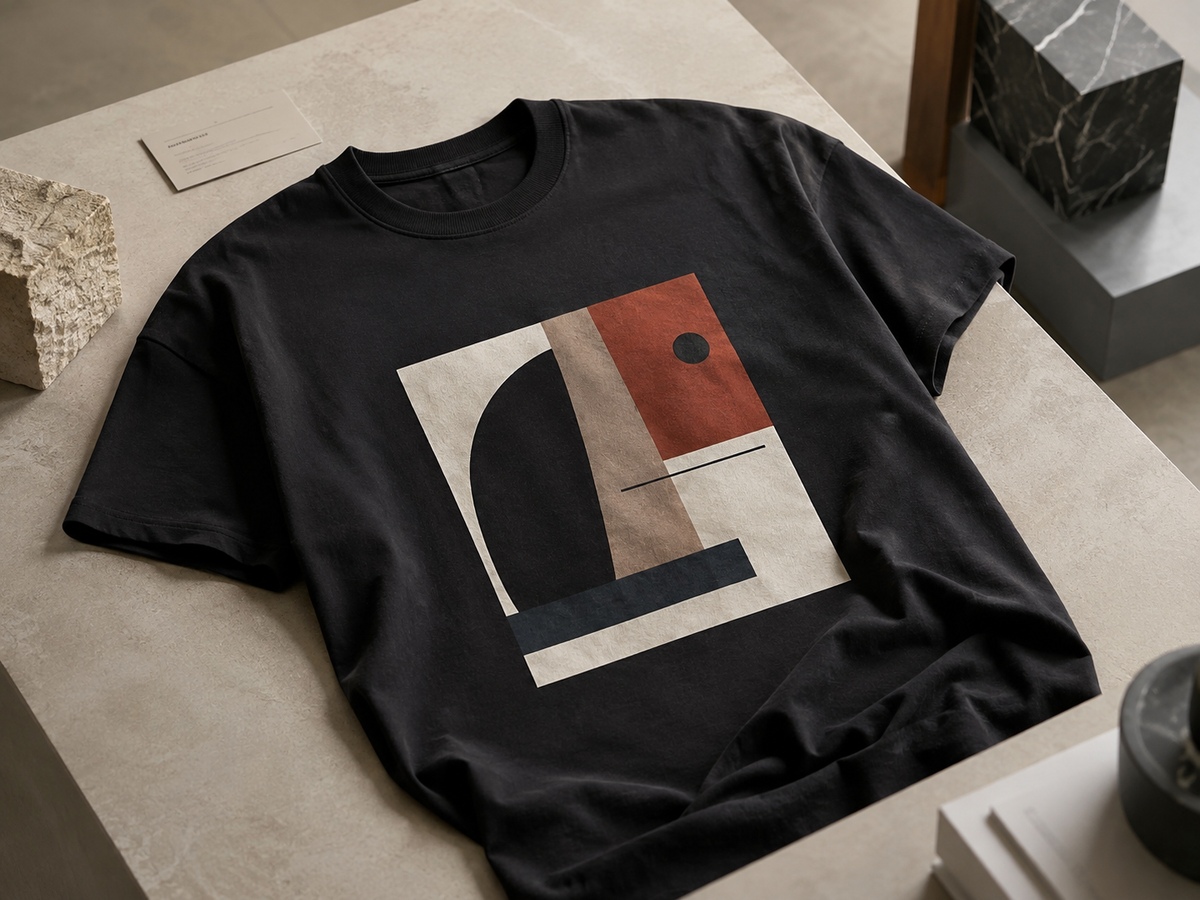
Abstract
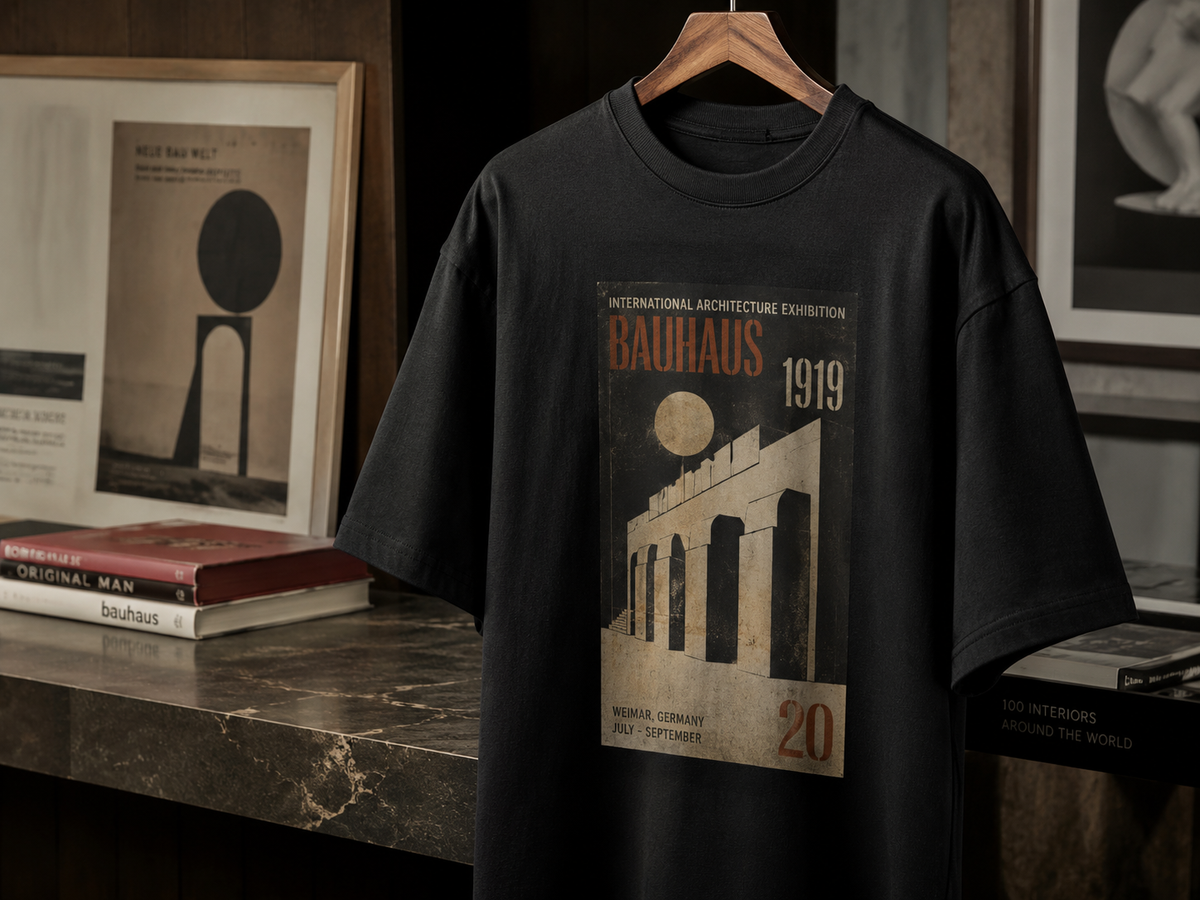
Archive Poster
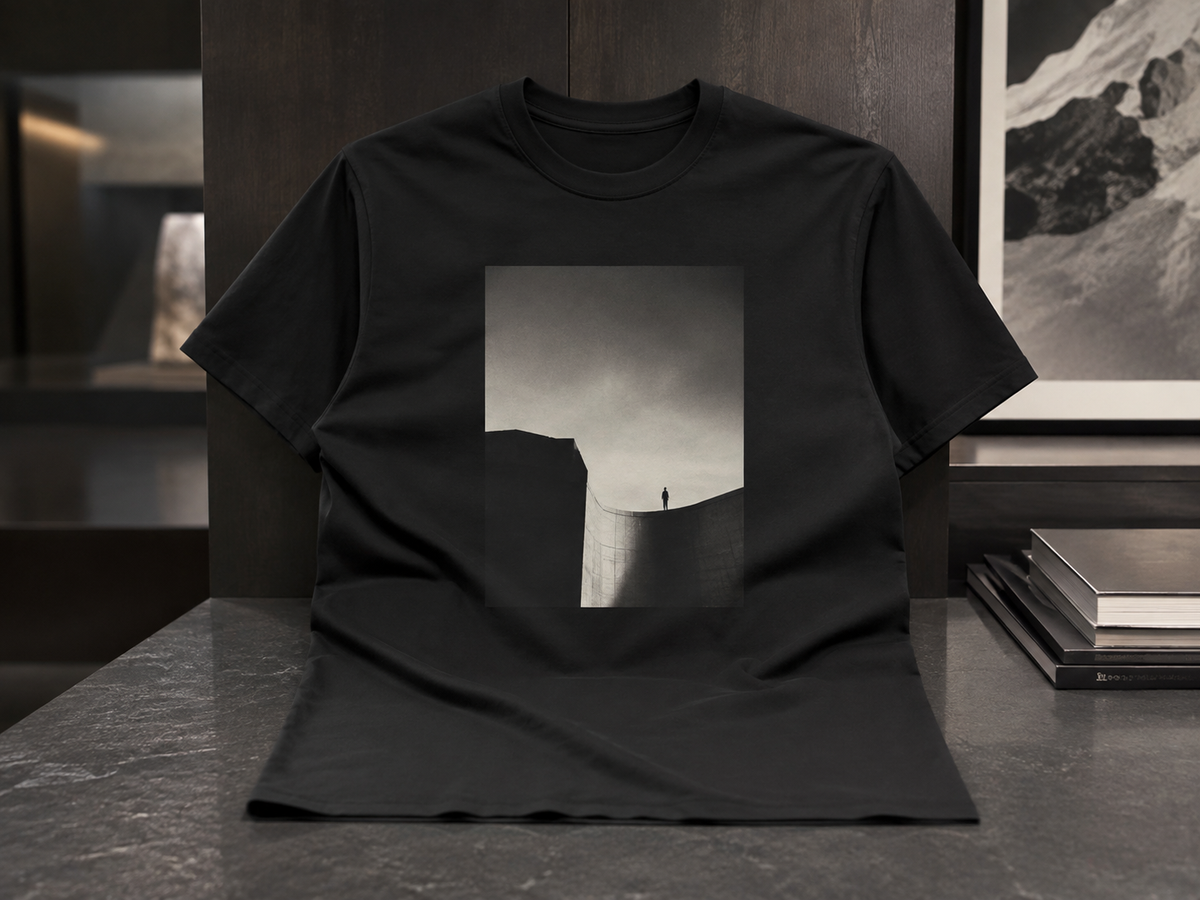
Photography
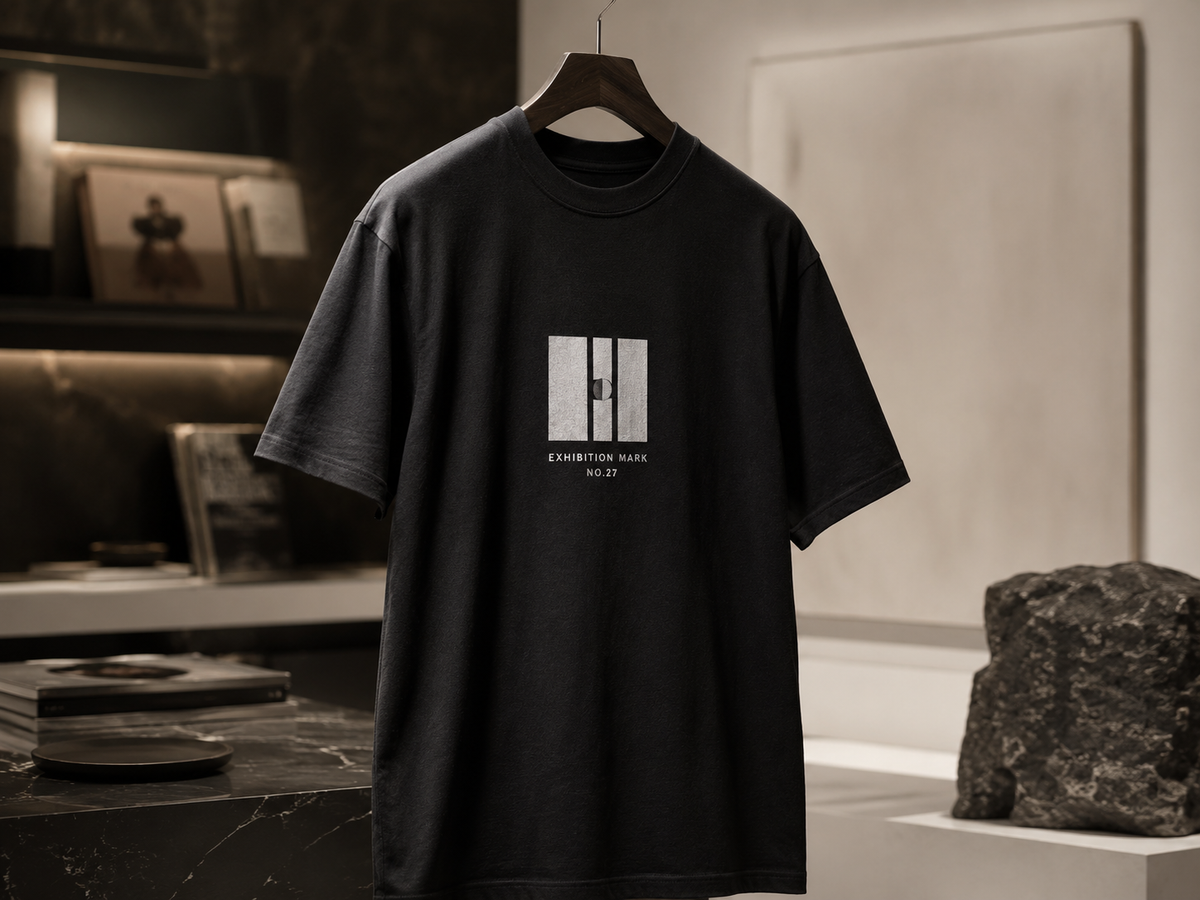
Exhibition Mark
Built Around the Way Cultural Retail Actually Changes
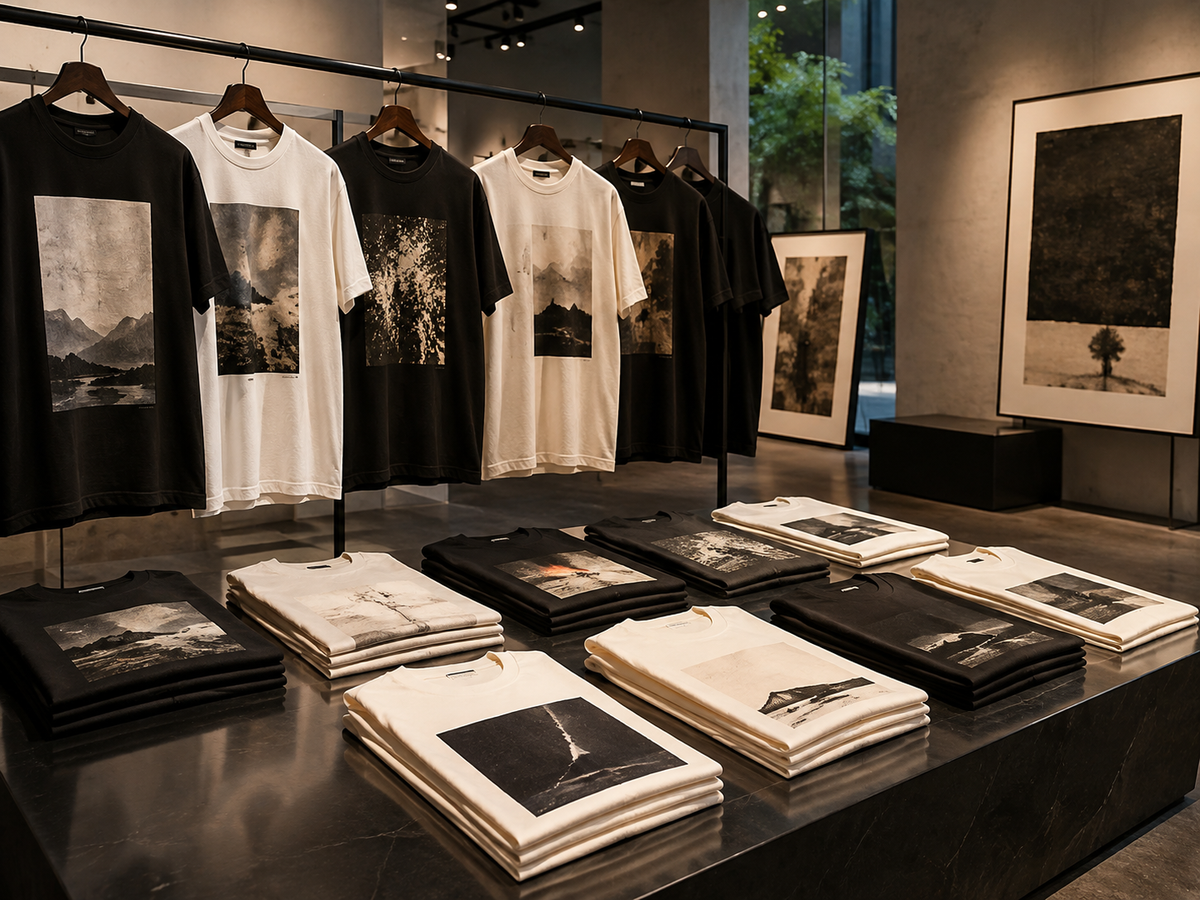
Temporary Exhibitions
A defined opening date, several artworks and merchandise that needs to be ready when the exhibition launches.
2
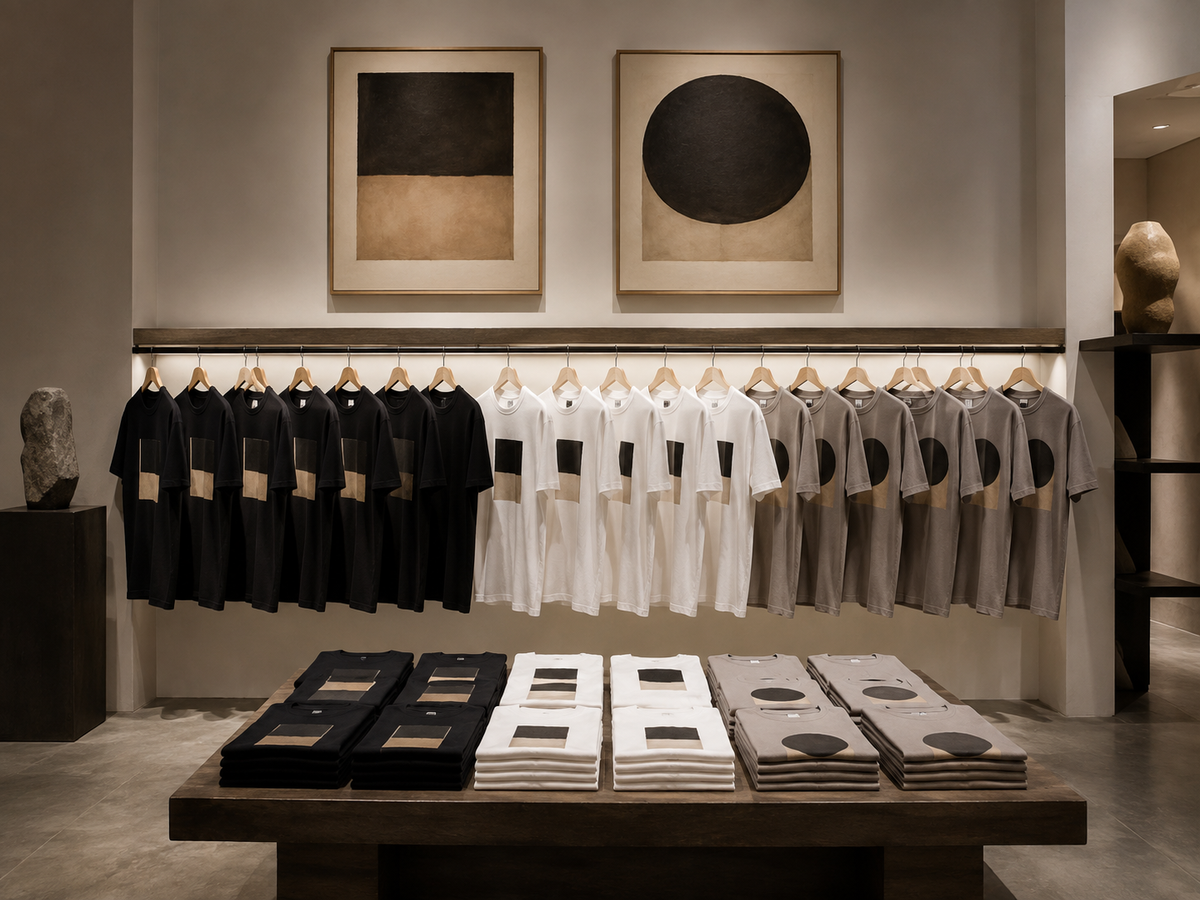
Permanent Collections
Keep proven artwork available and replenish selected products as museum-shop demand develops.
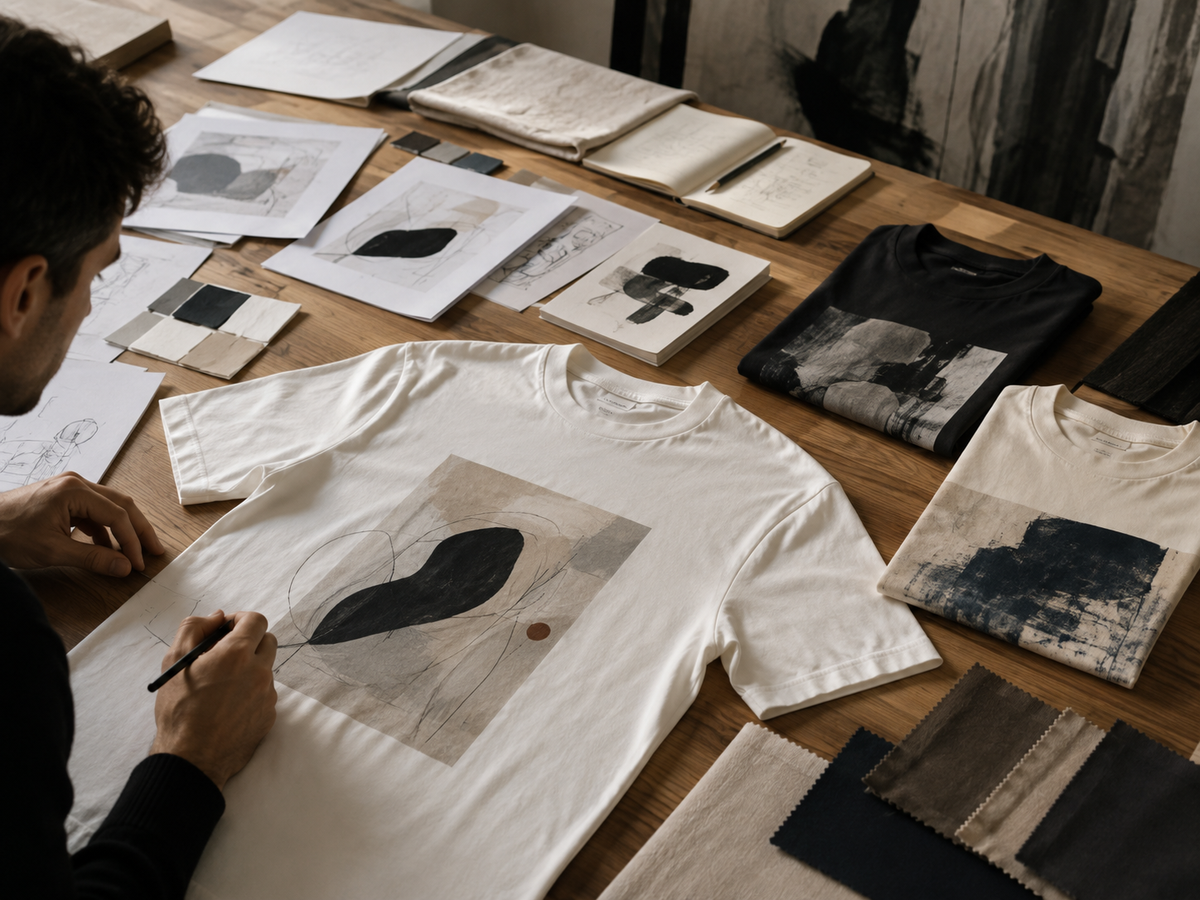
Artist Collaborations
Translate a new artist collaboration into a focused apparel capsule without turning the work into generic promotional merchandise.
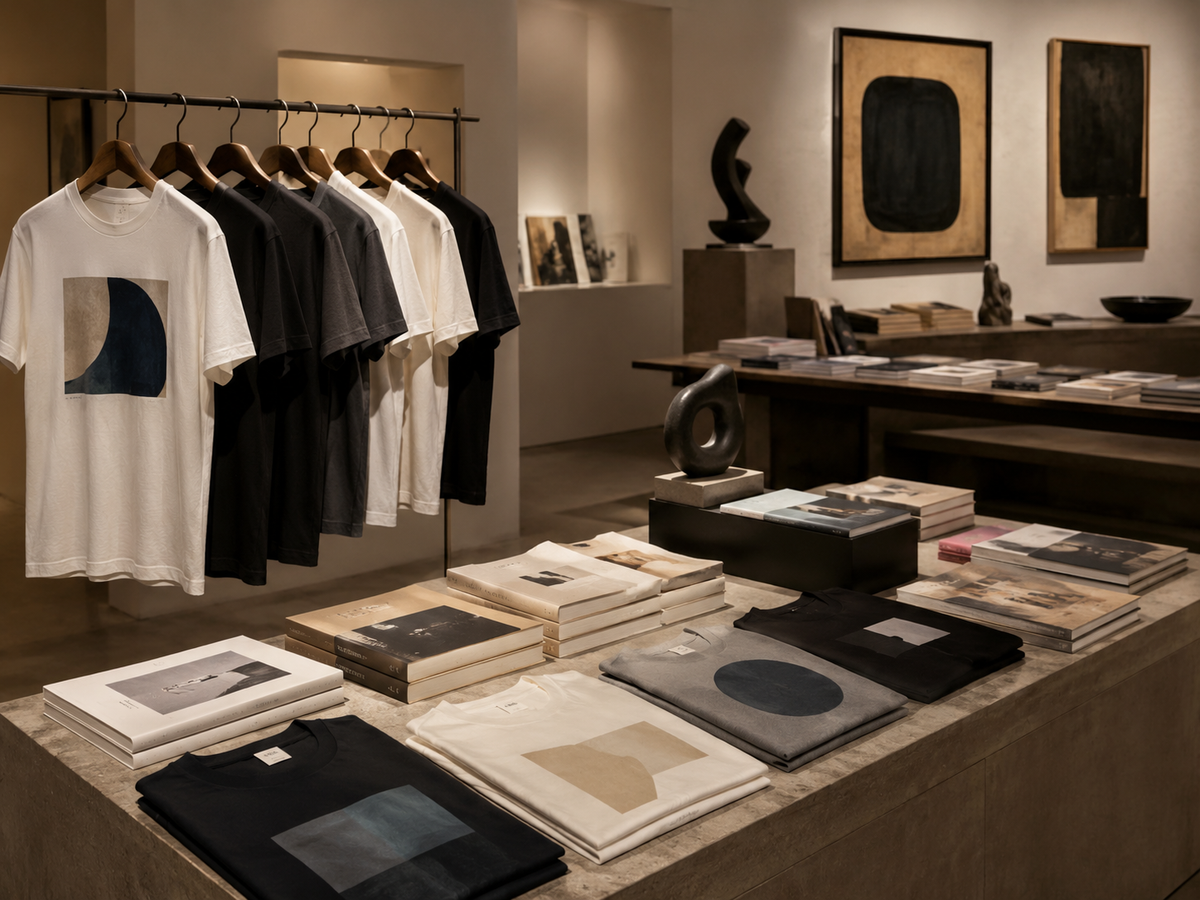
Galleries & Art Bookstores
Build smaller, rotating art-T-shirt assortments around exhibitions, publications, artists and cultural themes.
Limited Cultural Drops
Test a short release before deciding which artwork deserves a deeper reorder.
When Artwork No. 3 Sells Out, Don't Rebuild the Project From Zero
A successful museum T-shirt often needs to come back.
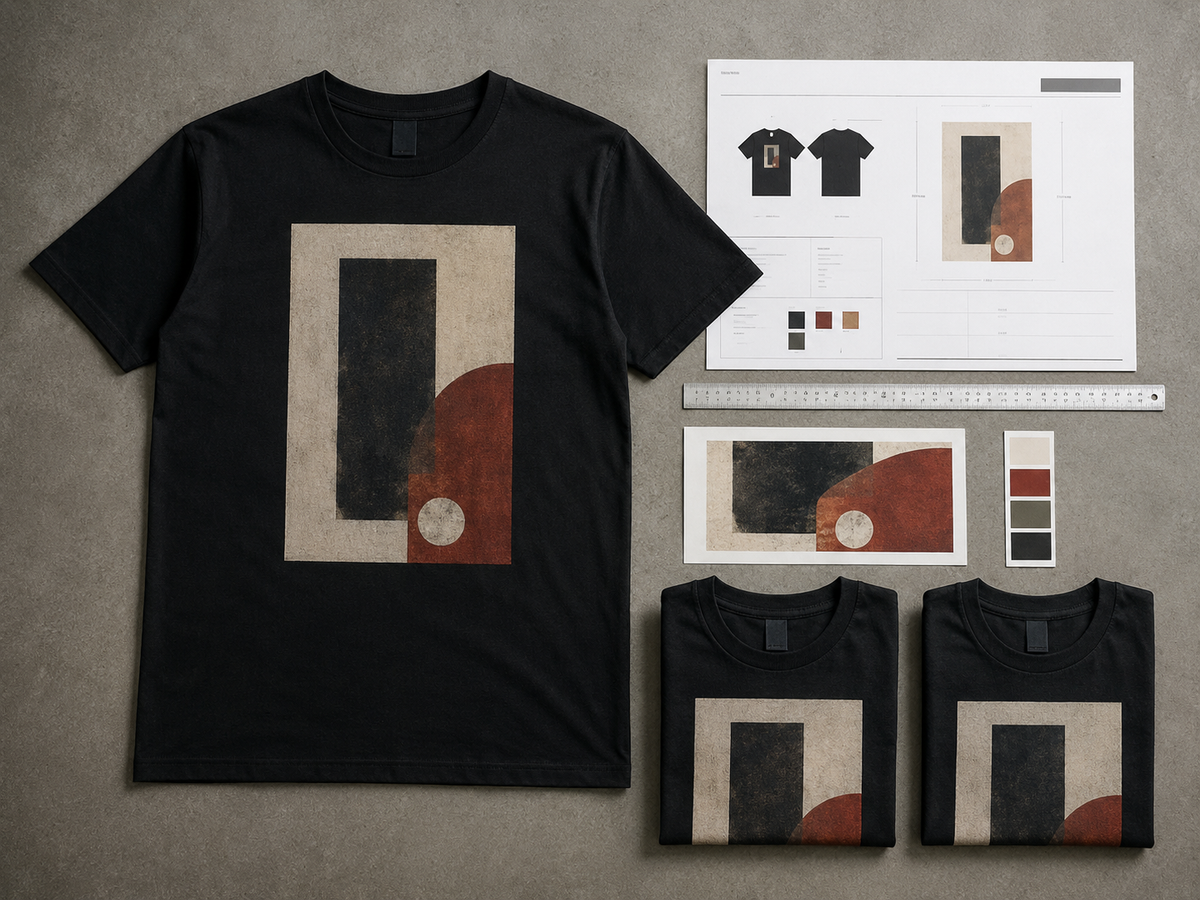
Approved projects can be managed around a defined production reference—including the approved artwork version, garment, garment color, print dimensions and placement—so future replenishment starts from an established specification rather than a new interpretation.
- Artwork Version
- Print Size
- Placement
- Garment Reference
- Color
- Production Notes
The Visitor Should Remember Your Museum, Not the Blank Manufacturer
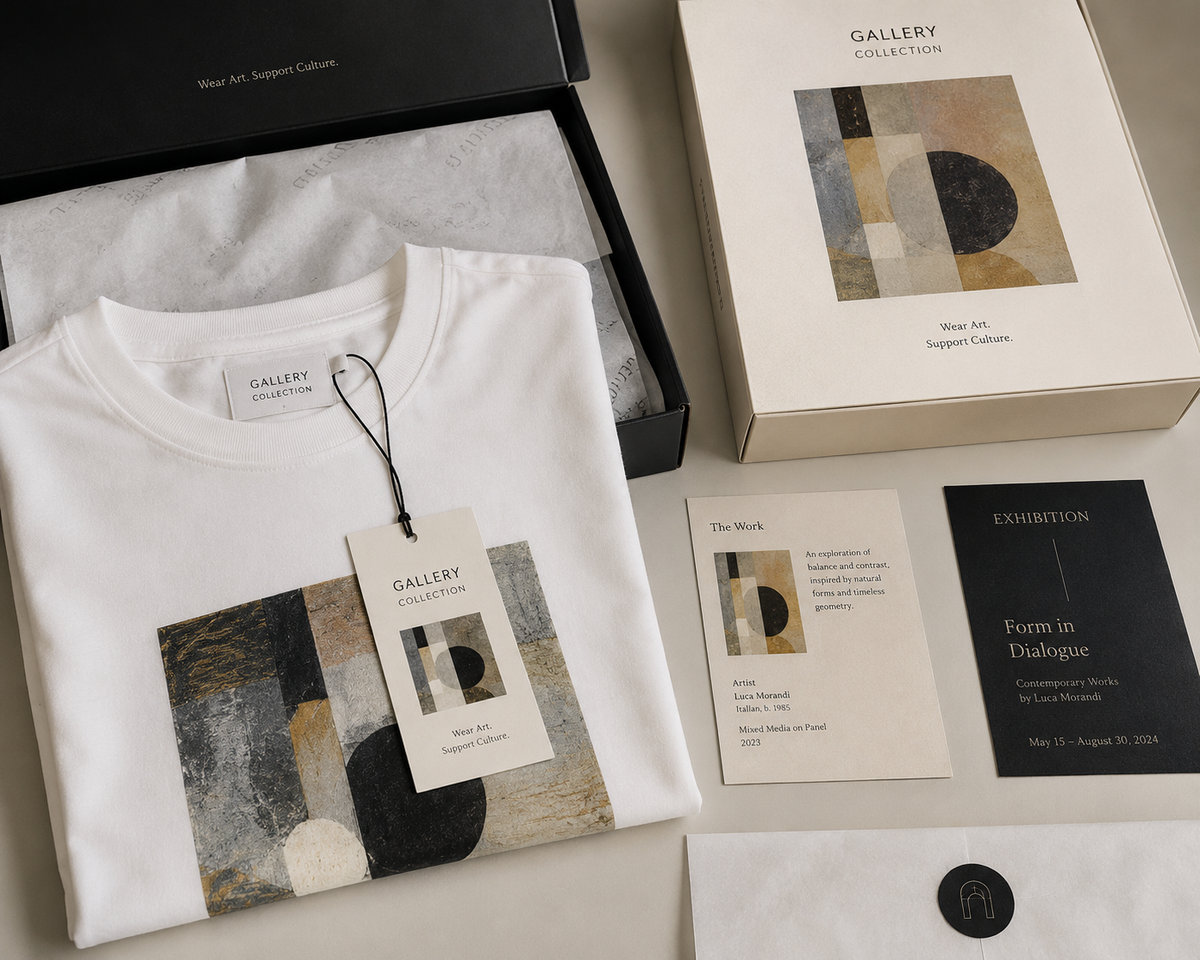
Turn the finished garment into a complete cultural retail product with optional project branding such as:
- custom neck labels
- hangtags
- museum branding
- exhibition information
- artist credit
- artwork story cards
- branded packaging
Branding options can be added where project quantities and specifications allow.
Questions Museums and Cultural Retailers Ask Before Ordering
1. Can you reproduce paintings and photography on T-shirts?
Yes. Full-color artwork such as paintings, photography and detailed illustrations can be prepared for digital garment printing. Final results depend on the source file, garment color, artwork size and characteristics of the original image, so artwork should be reviewed before production.
2. Will the printed colors look exactly like my monitor?
Not necessarily.
Monitors display RGB light, while garment printing uses physical inks on fabric. Garment color, cotton texture and artwork preparation all influence the result.
For color-sensitive projects, approving a physical sample is the safest reference for production.
3. Can we use several artworks in one exhibition project?
Yes.
Museums and galleries often build a collection around several works rather than one design. Each artwork can be reviewed and produced as its own merchandise design.
4. What is the minimum quantity for an art T-shirt?
For Modaknits DTG production, programs can start from 20 pieces per artwork × garment color.
This makes it easier to test multiple works before committing deeper inventory to the designs that sell best.
5. Can we approve a sample before the full production run?
For projects requiring physical approval, a sample can be used to evaluate artwork scale, garment color, print appearance and overall retail presentation before the main run.
6. Is DTG or screen printing better for museum artwork?
It depends on the artwork and quantity.
DTG is usually the more flexible starting point for paintings, photography, gradients and complex multi-color artwork. Screen printing may make more sense for simplified graphics, solid colors and larger repeat quantities.
7. Can you print the same artwork on both black and white T-shirts?
Yes, but the artwork may need different preparation.
The white ink base and contrast required for a black garment can influence the final appearance, so black and white garments should be evaluated as separate production combinations.
8. Can you reproduce a previous design when we need a museum-shop restock?
Yes.
Keeping the approved artwork version, garment reference, print size, placement and production details creates a clearer reference for future replenishment.
9. Can you add museum labels, hangtags or artwork story cards?
Optional branding can be incorporated depending on project quantities and specifications, including neck labels, hangtags, packaging and exhibition or artwork information cards.
10. How should we prepare our artwork?
Use the highest-resolution original artwork available whenever possible.
Avoid sending screenshots or images downloaded from web pages. Final print dimensions, transparency, background color and small details should be reviewed before production.
11. Can you produce merchandise for a temporary exhibition?
Yes.
Temporary exhibitions are particularly suited to a staged approach: choose the artwork, approve the garment and print, launch the initial quantity, then replenish the designs that perform.
12. Who owns the artwork after we upload it?
The cultural institution or authorized rights holder retains responsibility for and rights to its artwork.
Uploaded artwork should only be submitted when you have the authorization necessary to reproduce it on merchandise.